Phone:


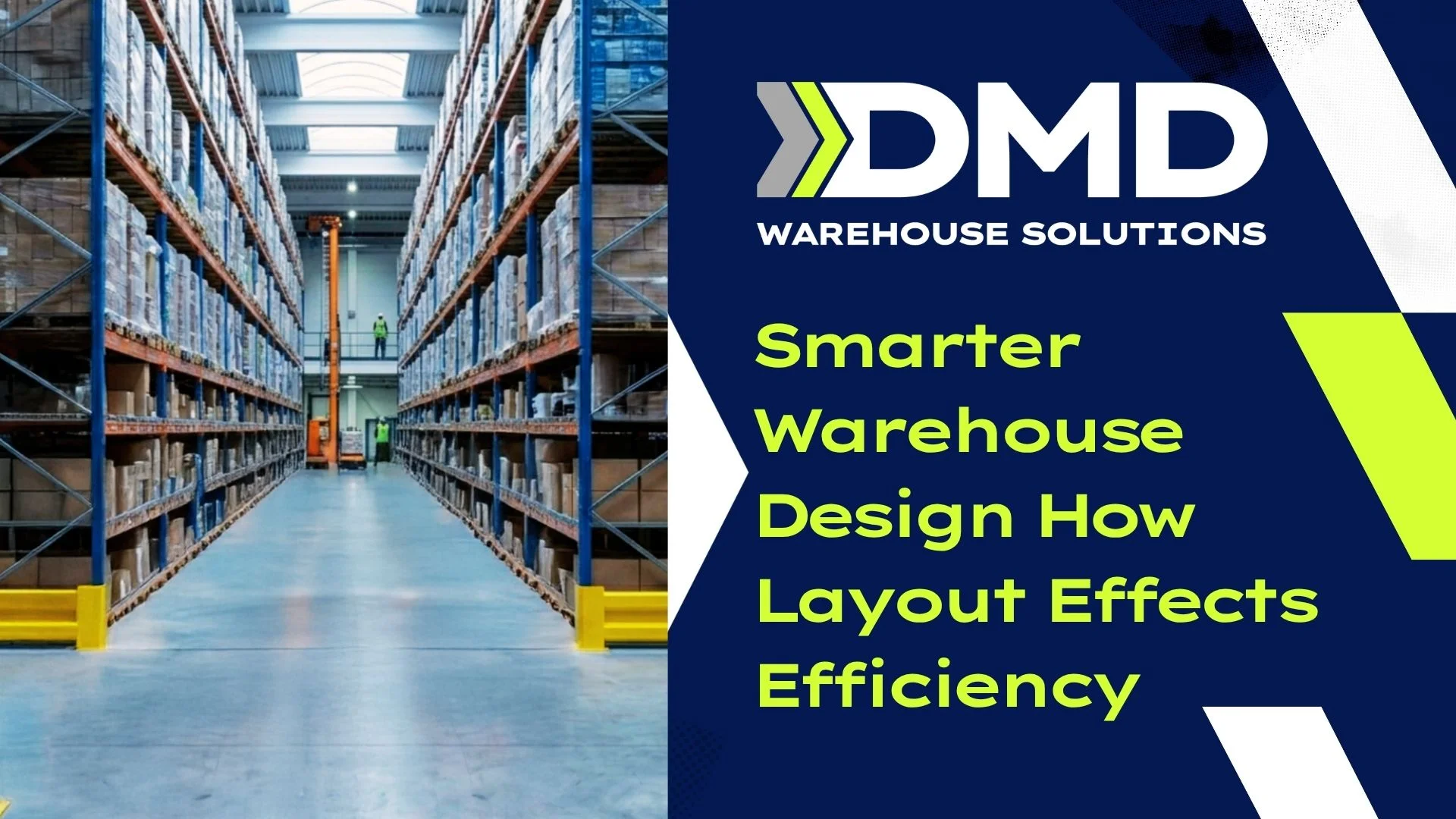
A warehouse layout can have a direct impact on how efficiently a business operates. When stock is hard to access, aisles are congested or picking paths are not planned properly, even simple tasks can take longer than they should.
For businesses in Perth and across Western Australia, smarter warehouse design is about more than fitting products into a space. It is about creating a layout that supports safe movement, faster picking, better stock control and future growth.
Why Warehouse Layout Matters
A well designed warehouse helps products move smoothly from receiving to storage, picking, packing and dispatch. When each area is planned properly, staff can move more easily, equipment can operate safely and stock can be found faster.
Poor layout, on the other hand, can lead to wasted time, double handling, blocked walkways and safety risks. Over time, these issues can affect productivity, labour costs and customer service.
Poor Flow Slows Everything Down: How to Improve It
One of the biggest layout problems is poor product flow. If goods need to be moved backwards and forwards across the warehouse, or if receiving and dispatch areas overlap, the risk of congestion increases.
A smarter layout should support the natural movement of goods through the warehouse. Receiving areas, storage zones, picking locations and dispatch areas should be planned in a way that reduces unnecessary handling.
To help reduce walking time and keep daily operations moving more efficiently.
- Fast-moving stock should be placed closer to picking and dispatch areas,
- Slower moving items can be stored further away.
Choosing the right storage layout
Pallet racking, longspan shelving, cantilever racking, drive in racking and mezzanine floors can all support different storage needs. The right system depends on product size, weight, access requirements and stock movement.
For example, pallet racking may suit high-volume palletised goods, while cantilever racking may be better for long or awkward items. Mezzanine floors can help businesses use vertical space and create additional storage or work areas without needing a larger facility.
Storage Systems Should Match the Products
Not every product should be stored the same way. Long, bulky, heavy or high turnover items all need different storage solutions. If the racking or shelving system does not suit the stock, the warehouse can quickly become inefficient.
How Better Design Improves Picking
Picking paths affects productivity. Picking is one of the most time consuming tasks in many warehouses. If staff need to walk long distances, search for items or move through congested aisles, orders take longer to complete.
A smart warehouse layout groups products in a logical way. Frequently picked items should be easy to access, similar products can be stored together, and clear aisle signage can help staff move quickly and accurately.
Businesses should also consider how stock rotation methods such as FIFO or LIFO apply to their products. A layout that supports the right stock rotation method can reduce handling errors and improve inventory control.
Layout Improvements Support Warehouse Safety
Safety Starts with Good Design
Warehouse efficiency should never come at the cost of safety. A poorly designed layout can increase risks around forklifts, pedestrians, racking, loading areas and manual handling.
Warehouse safety is supported by:
- Clear walkways and safe traffic routes
- Rack protection and pedestrian barriers
- Well planned storage zones
- Keeping aisles clear
- Racking is suitable for the load
When staff can move through the warehouse with confidence, the workplace becomes both safer and more productive.
Smarter Layouts Help Businesses Grow
As a business grows, the warehouse layout that once worked may no longer be suitable. More stock, more orders and more movement can quickly create pressure on the available space.
Before moving to a larger warehouse, it is worth reviewing whether the current space can be improved. A redesigned racking layout, mezzanine floor, automated storage system or better use of vertical height may help increase capacity and improve workflow.
Are You Getting the Most Out of Your Warehouse?
The way your warehouse works today might not be the best way it could work. If you have not reviewed your space, layout, labour requirements or workflow in some time, there may be real opportunities sitting right in front of you. Request an Efficiency Audit today!